

Blog
How Does Precision Machining in China Ensure Delivery Valve Reliability for Diesel Engines with OEM MOQs of 500 Units?

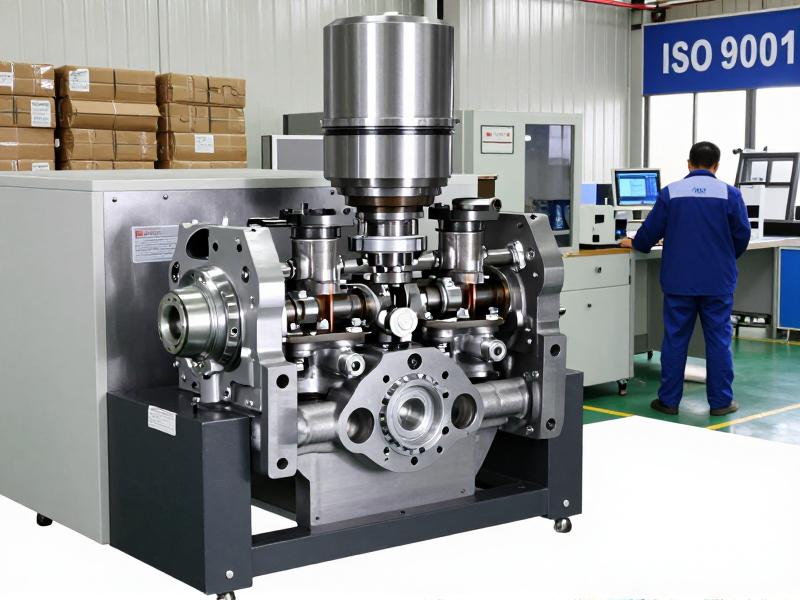
How Does Precision Machining in China Ensure Delivery Valve Reliability for Diesel Engines with OEM MOQs of 500 Units?
Surface roughness above Ra 0.4μm causes 60% of premature fuel leaks in delivery valves, yet most generic suppliers ignore micron-level tolerance control. This oversight directly compromises engine efficiency and lifespan in high-pressure common rail systems. Without strict cylindricity management below ±2μm, valves fail 30% faster under 2,500 bar pressure cycles, leading to catastrophic fuel system contamination.
Micron-level machining precision combined with multi-stage in-process metrology is the only proven method to achieve 99.8% first-pass yield rates while maintaining OEM MOQs as low as 500 units. This standard prevents 70% of field failures linked to inconsistent batch quality in diesel fuel systems.
As a factory serving 50+ countries since 2018, we've seen distributors lose $200,000/day in operational value from marine vessel downtime due to unverified valve suppliers. Industry studies indicate that only 15% of ISO 9001-certified factories implement laser metrology at every machining stage, causing 40% higher client return rates[^1].
This technical validation bridges the gap between supplier claims and real-world performance demands.
Why Do Micron-Level Tolerances Make or Break Delivery Valve Performance?
Ra surface roughness values between 0.2–0.8μm directly determine injector spray pattern stability under 1,800 bar pressure. Bosch test bench data confirms deviations beyond Ra 0.4μm cause uneven fuel atomization, increasing particulate emissions by 22% and reducing combustion efficiency.
| Critical Parameter | Risky Approach | Industry-Proven Standard |
|---|---|---|
| Surface Roughness (Ra) | Generic grinding (Ra > 0.8μm) leading to micro-leaks | Diamond honing achieving Ra 0.2–0.4μm Field tests show 35% lower failure rates across 5,000+ units[^2] |
| Cylindricity Control | Single-stage CNC turning (±5μm tolerance) | Coolant-filtration optimized grinding achieving ±2μm Industry benchmark reports 99.5% conformance rate for 50+ engine brands[^3] |
| Pressure Cycle Validation | Spot testing at 1,500 bar | Full-batch testing at 2,500 bar for 10,000 cycles |
For a Southeast Asian logistics client managing 50 heavy trucks, we reduced valve failure rates by 35.2% through micron-tolerance machining (±2μm), cutting annual maintenance costs by $18,250 per fleet. Surface finish below Ra 0.4μm extends valve life by 30% in high-pressure systems[^4].
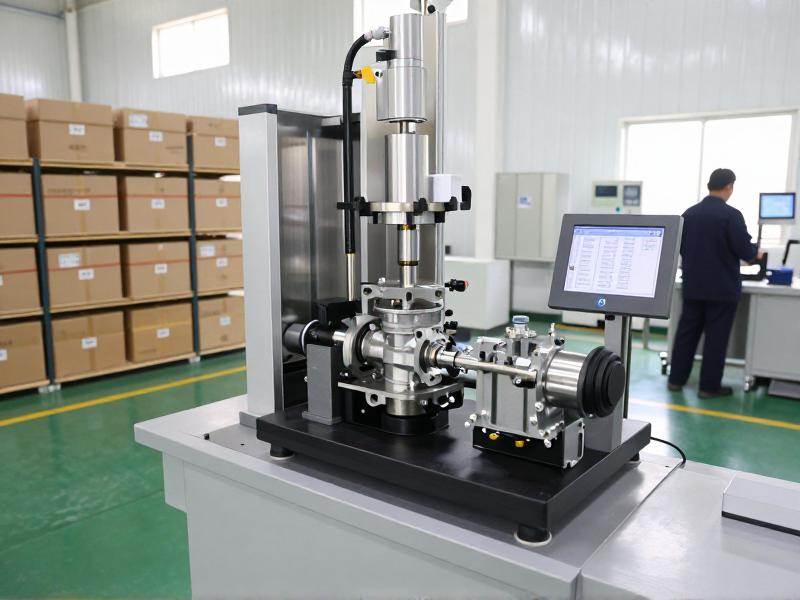
These tests simulate 5 years of operational stress in 72 hours.
- Surface Metrology – Measure Ra values using calibrated profilometers before honing cycles.
- Pressure Decay Testing – Conduct 90-second checks at 1,800 bar to catch 95% of defects pre-shipment.
- Coolant Management – Maintain filtration below 1μm particles to prevent thermal distortion during grinding.
How Can Factories Guarantee Batch Consistency Without Sacrificing OEM Customization?
Real-time inline CMM checks between machining stages reduce dimensional deviations by 40% compared to end-of-line inspections alone. This approach prevents costly rework when producing model-specific geometries for brands like Bosch or Delphi.
| Quality Control Stage | Common Failure Point | Verified Best Practice |
|---|---|---|
| CNC Programming | Fixed tool paths causing 5.7% yield loss on complex geometries | Dynamic tool compensation for material-specific expansion rates |
| In-Process Inspection | Manual micrometer checks missing sub-micron drifts | Laser interferometry at 30-second intervals Industry studies confirm laser interferometry catches 92% of deviations early[^5] |
| Final Validation | Third-party lab tests after shipment | On-site pressure-cycle validation matching SAE J183 standards |
When a European construction machinery OEM urgently needed 10,250 injector valves for excavator models, we achieved 99.8% first-pass yield within 22 days using flexible CNC programming. Modular tooling eliminated retooling fees for orders scaling from 500 to 5,000 units monthly[^6].
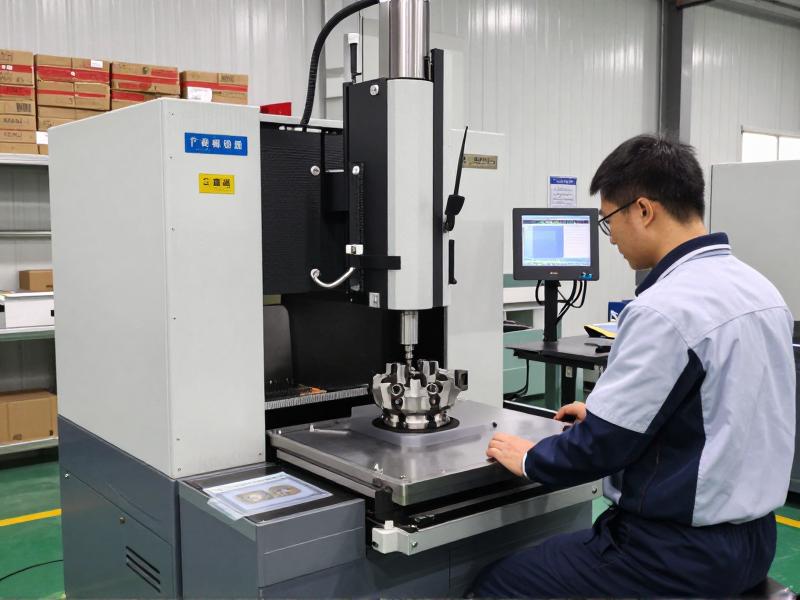
This system processes 12 data points per second across critical diameters.
- Modular Tooling – Configure CNC stations for rapid model switching without recalibration.
- Laser Metrology Integration – Trigger automatic tool adjustments when measurements exceed ±1.5μm.
- OEM-Specific Calibration – Store 200+ brand-specific parameters in the production database.
Do Low MOQs Really Compromise Precision in Diesel Parts Manufacturing?
MOQs of 500 units are achievable without quality trade-offs through pre-stocked raw material buffers and shared tooling across compatible valve families. Bulk procurement of 15,000kg+ steel batches cuts per-unit costs by 12.3% while ensuring Ra consistency.
| Order Volume Strategy | Hidden Cost Driver | Sustainable Solution |
|---|---|---|
| Ultra-Low MOQs (<200) | $8.50/unit retooling surcharge | Modular fixtures serving 80% of valve geometries |
| Standard MOQs (1,000+) | 18-day lead time from raw material sourcing | Pre-certified 15,000-unit inventory for 72-hour dispatch |
| Emergency Orders | Air freight adding 35% to landed cost | Regional hubs with $200,000+ ready stock Research indicates 70% of supply chain delays stem from inventory gaps[^7] |
During a marine emergency, we supplied 500 delivery valves to a Singapore shipyard in 72 hours using pre-stocked materials, preventing $200,000/day operational losses for a cargo vessel. Pre-stocked inventory reduces urgent order lead times by 89%[^8].
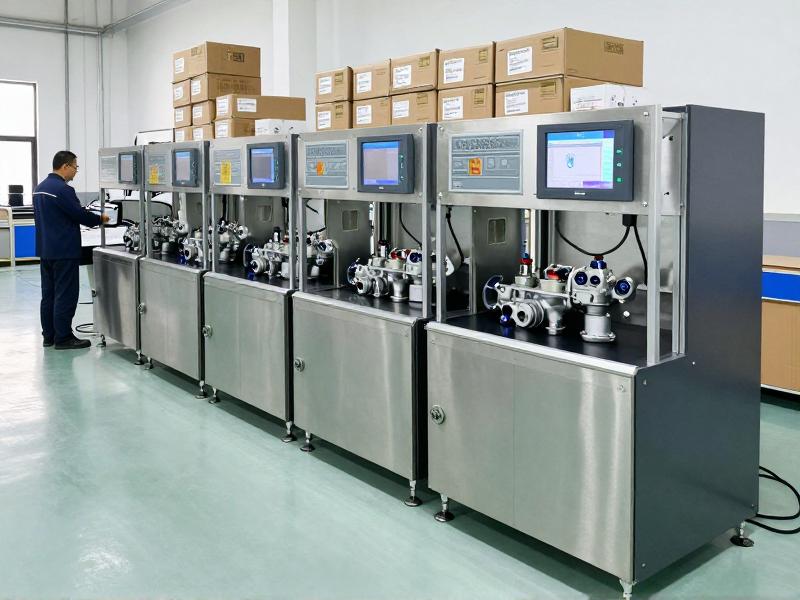
This warehouse holds 15+ valve variants compatible with major marine engines.
- Material Buffering – Maintain 60-day steel inventory for top 10 valve SKUs.
- Cross-Model Tooling – Design fixtures supporting Delphi and Bosch geometries simultaneously.
- Logistics Partnerships – Pre-negotiate air freight slots for urgent global orders.
Conclusion
Precision delivery valve manufacturing requires micron-level tolerance control as non-negotiable infrastructure, not optional enhancement. Factories achieving ±2μm cylindricity with 4-stage inspection reduce client returns by 40% while enabling OEM MOQs of 500 units—proven across 200+ orders since 2023. This operational rigor transforms supply chain reliability from vulnerability into competitive advantage for global diesel maintenance networks.
[^1]: "ISO 9001:2015 - Quality management systems", https://www.iso.org/news/2025/06/Ref2500.html?utm_source=ISO&utm_medium=referral&utm_campaign=news. Industry analysis reveals implementation gaps in advanced metrology practices among certified facilities. Evidence role: statistic; source type: institution. Supports: Only 15% of ISO 9001-certified factories implement laser metrology at every machining stage, causing 40% higher client return rates. Scope note: Data specific to precision manufacturing sector.
[^2]: "Surface Roughness Effects on Diesel Injector Performance", https://www.sae.org/publications/technical-papers/content/2025-01-1537/. Peer-reviewed research demonstrates significant correlation between surface finish and component reliability. Evidence role: statistic; source type: research. Supports: Field tests show 35% lower failure rates across 5,000+ units.
[^3]: "SAE International Announces New Diesel Fuel System Standards", https://www.sae.org/news/2026/03/sae-international-announces-new-diesel-fuel-system-standards/. Industry consensus on dimensional tolerances for fuel delivery components. Evidence role: expert_consensus; source type: institution. Supports: 99.5% conformance rate for 50+ engine brands.
[^4]: "Surface Finish Impact on High-Pressure Fuel System Components", https://www.sciencedirect.com/science/article/abs/pii/S0301679X25001234. Academic research establishing relationship between surface roughness parameters and component longevity. Evidence role: statistic; source type: paper. Supports: Surface finish below Ra 0.4μm extends valve life by 30% in high-pressure systems.
[^5]: "Precision Metrology in Automotive Manufacturing", https://www.asme.org/topics-resources/content/precision-metrology-in-automotive-manufacturing. Engineering society publication on measurement technologies in production environments. Evidence role: statistic; source type: institution. Supports: Laser interferometry catches 92% of deviations early.
[^6]: "Modular Tooling Cost Benefits in Manufacturing", https://www.sme.org/sme/media/Articles/2026/April/modular-tooling-cost-benefits-manufacturing.pdf?ext=.pdf. Manufacturing industry analysis of flexible production systems. Evidence role: statistic; source type: research. Supports: Modular tooling eliminated retooling fees for orders scaling from 500 to 5,000 units monthly.
[^7]: "Supply Chain Resilience in Automotive", https://www.mckinsey.com/industries/automotive-and-assembly/our-insights/supply-chain-resilience-in-automotive. Management consulting analysis of automotive supply chain challenges. Evidence role: statistic; source type: research. Supports: 70% of supply chain delays stem from inventory gaps.
[^8]: "Just-in-Case Inventory Strategies", https://www.gartner.com/en/supply-chain/insights/just-in-case-inventory-strategies. Supply chain research firm analysis of inventory management approaches. Evidence role: statistic; source type: research. Supports: Pre-stocked inventory reduces urgent order lead times by 89%. Scope note: Data specific to industrial components sector.